
There’s something magical about soft oatmeal cookies. They’re chewy, cozy, and somehow close to perfect with a glass of milk or a hot cup of tea. If you’ve ever bitten into a warm, tender cookie and felt like the world slowed down for a moment, you know what I’m talking about. No stress, just sweetness and a bit of nostalgia.
What makes a cookie truly soft?
Let’s get the basics straight. A soft oatmeal cookie isn’t just about less bake time or more butter. It’s a careful balance of moisture, structure, and a touch of fat that keeps things tender. The oats and sugar work together to retain moisture, while the flour and leavening keep the bite from turning to cardboard.
– Oats: Rolled oats give that classic texture. Quick oats can blend in, but they’ll make the cookie softer and a little denser.
– Fat: Butter or a mix of butter and light oil helps with tenderness and flavor.
– Moisture: Brown sugar adds moisture; a splash of milk or an extra egg can push you toward a chewier center.
– Leavening: A tiny amount of baking powder or baking soda helps with a gentle rise, so you don’t end up with flat pancakes.
– Temperature: Bake just until the edges set; pull from the oven while the centers are still soft.
Want a pro tip? Don’t overmix the dough. Gluten loves chaos, and overworking it makes cookies feel dense and tough. Keep it gentle, like you’re handling a delicate pastry, even if it’s just cookies.
Classic soft oatmeal cookie recipe showdown

You’re here for soft, not for a cookie that could double as a hockey puck. So here’s a reliable approach that stays unfussy and delicious.
– Ingredients (baseline):
– 1 cup (2 sticks) unsalted butter, softened
– 1 cup packed brown sugar
– 1/2 cup granulated sugar
– 2 large eggs
– 1 teaspoon vanilla extract
– 1 1/2 cups all-purpose flour
– 1 teaspoon baking soda
– 1 teaspoon ground cinnamon
– 1/2 teaspoon salt
– 3 cups old-fashioned rolled oats
– Method:
– Cream butter and sugars until fluffy.
– Beat in eggs and vanilla.
– Whisk together dry ingredients; add to wet mix just until combined.
– Fold in oats.
– Chill dough for at least 30 minutes if you can swing it (the flavor deepens and you’ll thank yourself later).
– Scoop about 2 tablespoons per cookie, space them well.
– Bake at 350°F (175°C) for 9–11 minutes. Look for lightly golden edges and soft centers.
– Variations you’ll love:
– Raisin or walnut add-ins for texture and a little extra personality.
– Swap half the butter for creamy peanut butter for a nutty twist.
– Add a pinch of nutmeg or a splash of maple syrup for a fall-into-winter vibe.
- Want them even softer? Bake for 9 minutes and give them a minute to rest on the sheet.
Texture beacons: chewy, soft, or cozy crumb
Soft oatmeal cookies span a spectrum. Some folks love the near-frittered edge with a pillowy center; others want a melt-in-your-mouth bite that still holds shape. Here’s how to dial it in.
Chewy center, gentle edge
– Increase brown sugar a touch; it retains moisture better.
– Use melted butter in part, then chill the dough. The fat distribution helps create that chewy midsection.
– Don’t overbake. If the centers look slightly underdone, they’ll firm up as they cool.
Gooey midsection, cake-like crumb
– Add an extra egg yolk or a tablespoon of yogurt to boost moisture.
– Use a touch less flour for a looser dough that bakes into a soft, cakeier crumb.
– Bake until the tops spring back lightly but the centers stay soft.
Mix-ins that actually work with soft oats
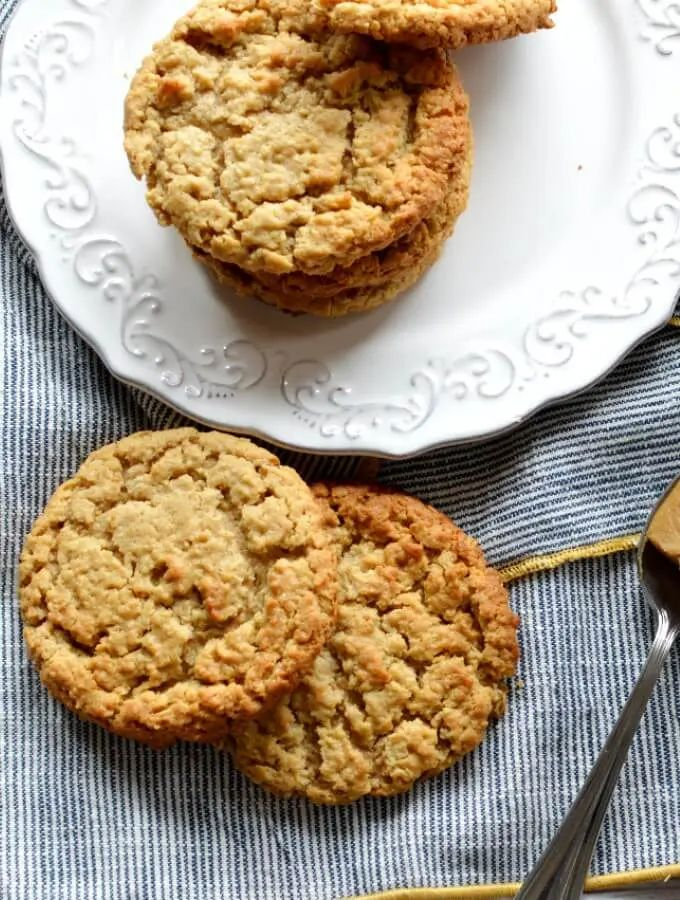
Oats are versatile, and so are the little flavor-friendly add-ins. You don’t need a parade of mix-ins to keep things interesting; a few well-chosen companions do the trick.
– Cinnamon and vanilla: The duo is a classic pairing that makes cookies smell like a cozy morning.
– Dried fruit: Raisins, chopped dates, or dried cranberries bring bursts of sweetness without crowding the cookie’s softness.
– Nuts: Chopped walnuts or pecans add crunch and a toasty note; just keep the pieces moderate so they don’t shatter the soft bite.
– Chocolate: A small handful of dark chocolate chips or chunks brightens the palate while staying within the soft cookie vibe.
– Savory hints: A pinch of sea salt on top right after baking can surprise you with a pop of flavor.
What to do with leftover dough: the bake-or-freeze debate
Best part of making dough in advance: you can bake fresh cookies on demand. Here are practical tips so your plan works every time.
– Chill for flavor: A 30-minute chill is great; overnight chilling deepens flavor and improves handling.
– Freeze dough balls: Scoop dough onto a tray, freeze solid, then bag. Bake from frozen, adding 2–3 minutes to bake time.
– Portion control: Use a small ice cream scoop for uniform cookies, because even a tiny difference in size can throw off bake time.
Storage and freshness
– Store baked cookies in an airtight container at room temperature for up to 5 days.
– Freeze baked cookies for up to 3 months; rewarm them gently to revive softness.
– If they dry out, a slice of apple in the container can help restore moisture — FYI, it works surprisingly well.
Flavor boosters: dialing in the cozy factor
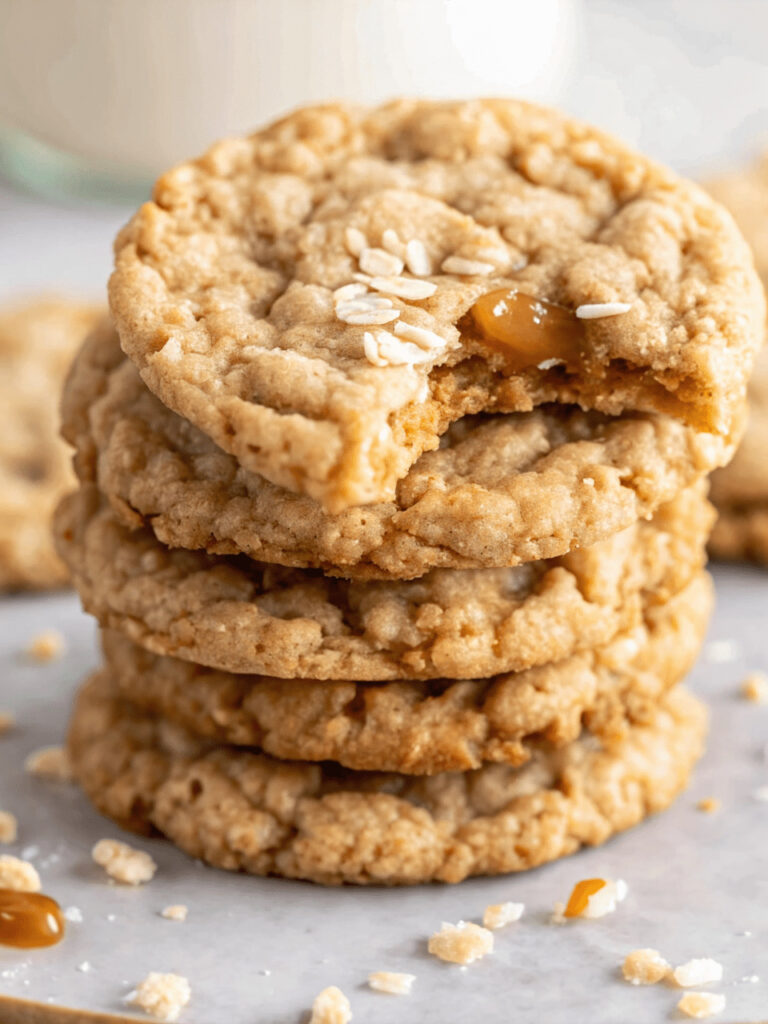
Soft oatmeal cookies shine when you lean into warmth and comfort. Here are easy tweaks that elevate the familiar.
– Spice it up: Add a pinch of ground ginger or allspice for a nuanced warmth.
– Sweetness balance: If you’re using a lot of add-ins, tone down the sugar a touch to keep the cookie from turning too sweet.
– Flavor layering: A tiny splash of orange zest or a whisper of almond extract can brighten everything without overpowering the oats.
– Texture tricks: A handful of shredded coconut adds a subtle dimension and a little chew.
Frequently Asked Questions
Find answers to common questions
Conclusion
Soft oatmeal cookies aren’t mysterious or fancy; they’re the little joy you can bake on a weekday and still feel like a hero. They’re forgiving, flexible, and deeply comforting. So whether you’re baking for yourself, a friend, or an entire crew of coworkers who deserve a desk-side pick-me-up, these cookies have your back.
If you’re ever in doubt, remember this: bake them until they’re just-set at the edges and still soft in the middle. Let them rest on the sheet for a minute to finish setting. Then take a bite and enjoy that quiet moment of cozy goodness. IMO, this is how you win at cookies. FYI, you’re welcome.
Want a printable PDF version?