
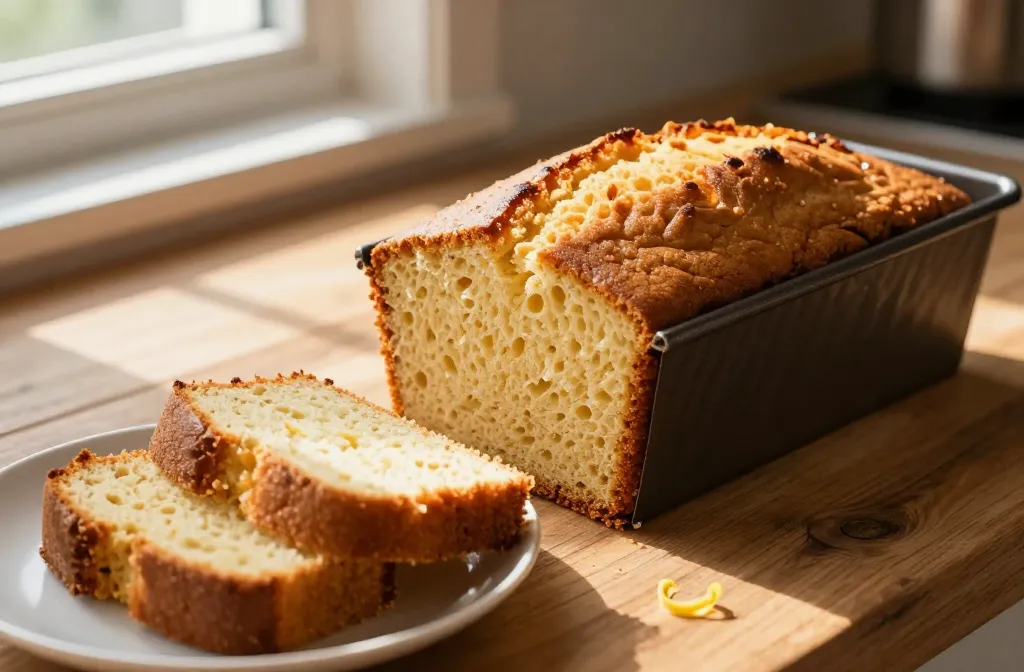
A good loaf of pound cake should feel like a warm hug in a pan. It’s simple, reliable, and devilishly comforting with butter and vanilla doing the heavy lifting. If you crave something that comes together without fuss but still tastes like you mean business, you’re in the right kitchen. Let’s bake something that-crinkles-at-the-edge, tender in the middle, and disappears faster than you can say “slice two, please.”
Why this easy pound cake works so well
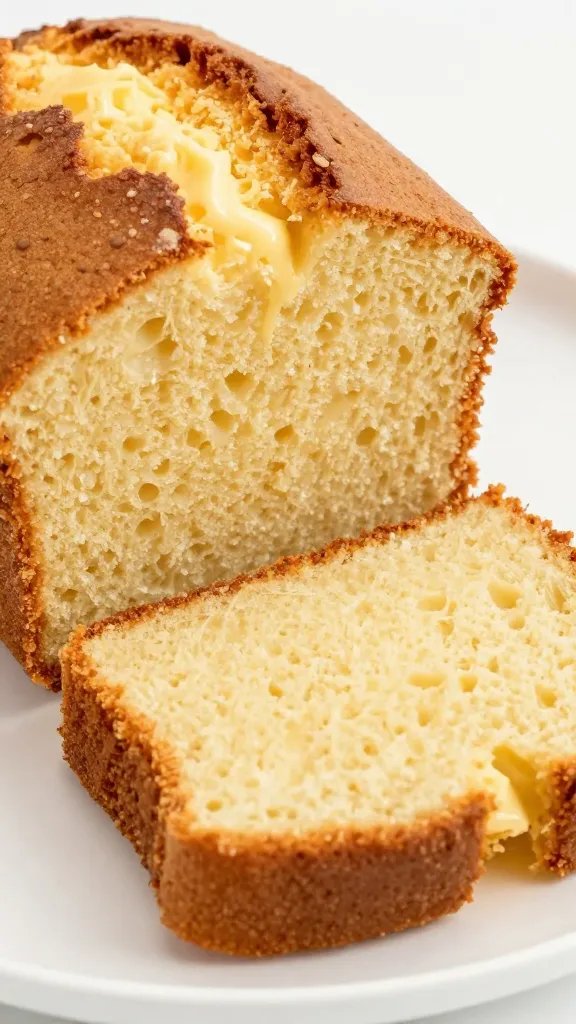
This recipe sticks to the basics but treats them right. Butter, sugar, eggs, and flour come together in a way that creates a fine, tight crumb without being dry. You’ll get a cake that’s rich but not cloying, with a gentle lemony brightness if you want it. FYI, simple ingredients can yield big flavor if you respect the technique.
What you’ll need
- 1 cup unsalted butter, softened
- 1 cup granulated sugar
- 4 large eggs
- 2 cups all-purpose flour
- 2 tsp baking powder
- 1/2 tsp salt
- 1/2 cup milk
- 1 tsp vanilla extract (or lemon zest for zing)
- Optional glaze: 1 cup powdered sugar with 1-2 tbsp milk or lemon juice
- Pan: loaf pan or a standard 9×5 loaf pan, greased and floured
Equipment tips FAQ: room-temperature ingredients mix best, and a light touch with the whisk avoids overdeveloped gluten. Don’t overbeat after the flour joins—just until smooth, please.
Step-by-step: how to assemble without drama
Let’s keep this fun and straightforward. You’ll be surprised how calm and cozy you’ll feel watching this come together.
1. Cream butter and sugar
Beat the softened butter and sugar until pale and fluffy. This builds air into the batter, which helps with that tender crumb. It should take about 3-4 minutes on medium speed. If you’ve got a KitchenAid, you’re smiling right now.
2. Add eggs one at a time
Crack in eggs one at a time, mixing well after each addition. This keeps the batter smooth and prevents curdling. If it looks curdled, don’t panic—keep whisking and it will come back together.
3. Mix dry ingredients separately
Whisk flour, baking powder, and salt in a separate bowl. This ensures even distribution of leavening and salt, which equals an even rise and balanced flavor.
4. Combine wet and dry
Alternating with the milk, add dry ingredients in three batches. Start and end with dry. Stir just until combined; the batter should be thick but spoonable. Overmixing = tougher cake, so keep it gentle.
5. Flavor it
Stir in vanilla. If you’re feeling zesty, add a teaspoon of lemon zest or a splash of almond extract for personality. IMO, vanilla is the quiet hero here—don’t overshadow it.
6. Bake to perfection
Pour into a greased loaf pan and bake at 325–350°F (165–175°C) for about 50-65 minutes. Start checking at 50 minutes: a toothpick should come out clean or with a few moist crumbs. If the top browns too fast, tent with foil for the last 15 minutes.
7. Cool and glaze (optional)
Let the cake cool in the pan for 10 minutes, then transfer to a rack to cool completely. Dust with powdered sugar, or whisk together a quick glaze with powdered sugar and a little milk or lemon juice. FYI, glaze adds a little extra sweetness and moisture—use it if you like a glossy finish.
Flavor twists you’ll actually use
Stay on the couch, not in the kitchen sprint. These tweaks keep the process easy while giving you personality without wrecking the cake.
Classic vanilla pound cake
Stick with the base recipe and add an extra teaspoon of vanilla. The result is a clean, crowd-pleasing flavor that goes with coffee, tea, or berries.
Blueberry-studded pound cake
Gently fold in 1 cup fresh or thawed blueberries after you’ve mixed in the dry ingredients. Lightly dust berries with flour to keep them from sinking. The berries burst on the bite and add juicy pockets of flavor.
Lemon pop
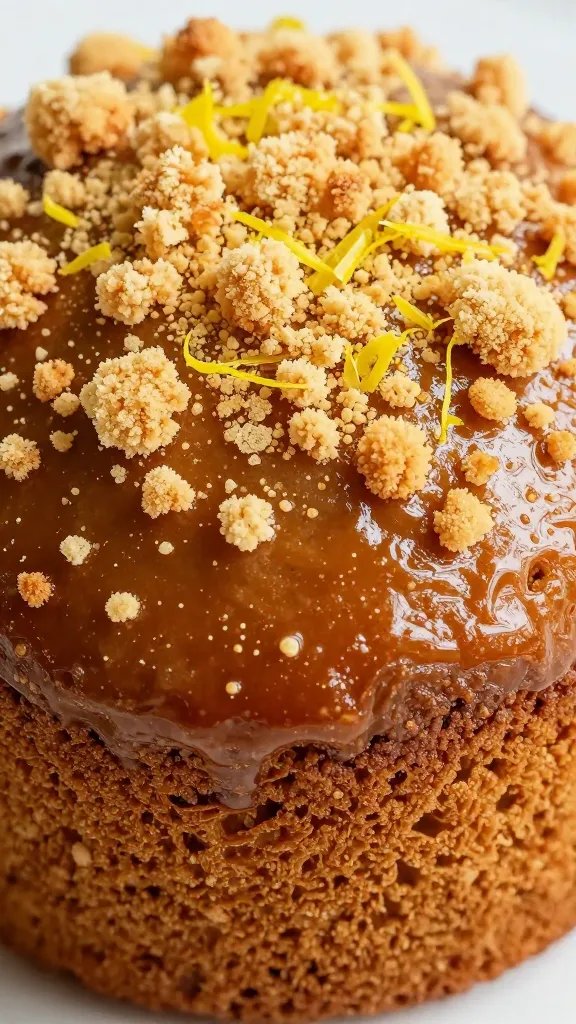
Add 1–2 tablespoons lemon zest and a tablespoon lemon juice to the wet mix. Finish with a light lemon glaze. Sunny and bright, it’s a nice wake-up call for the taste buds.
Heritage-style crust
Drop the batter into a loaf pan and sprinkle with a teaspoon of sugar before baking. The sugar’ll form a delicate crust that crackles a little when you slice it. Not necessary, but fun if you want that little texture surprise.
Common pitfalls (and how to dodge them)
Even easy bakes trip us up sometimes. Here are quick fixes so you don’t have to apron-drown in despair.
Why is my pound cake dense?
You probably overmixed after adding the flour or used cold butter. Make sure your butter is soft and mix just until you see a smooth batter. Short, confident mixing wins here.
Why did it crack on top?
A hot oven or too much air in the batter can cause a crack. If you see a crack, don’t panic—let it chill, slice carefully, and serve with a smile. A light sugar crust can also hide minor cracks nicely.
Why won’t it bake evenly?
Make sure your oven isn’t running hot. An oven thermometer helps. Rotating the pan halfway through baking can also help with even rising. And yes, you can fake evenness with a tall loaf pan—if you’ve got one, use it for a uniform slice.
Serving ideas that won’t derail your day

Slice while still slightly warm for the best texture. Pair with coffee, berries, or a dollop of whipped cream. If you’re feeding a crowd, a light glaze or dusting of powdered sugar makes it look extra special without extra effort. FYI, a quick berry compote can turn a humble loaf into a showstopper with minimal work.
Frequently Asked Questions
Find answers to common questions
Final tips for sweet success
– Room temperature ingredients matter. They mix more evenly and yield a finer crumb. Strongly consider** letting butter and eggs sit out for 20-30 minutes.
– Don’t obsess over perfection. A rustic loaf with a crack or a light dome still tastes like sunshine and butter.
– Make it your own. The base is forgiving—tweak the flavor, the mix-ins, or the glaze until it feels truly yours. IMO, confidence matters more than perfection.
Conclusion
Easy pound cake isn’t a mystery; it’s a trusted friend you can rely on for birthdays, coffee breaks, and “I deserve something sweet” moments. With simple steps, a handful of smart tweaks, and a touch of patience, you’ll bake a loaf that’s tender, fragrant, and absolutely compelling. So preheat, cream, fold, bake, and enjoy—the kitchen victory dance is totally allowed.
Want a printable PDF version?