
A loaf of pumpkin bread that stays moist and cozy at the same time sounds like a hug in loaf form. If your oven has betrayed you before, I get it—moisture can be mysterious. Let me share a pumpkin bread moist recipe that actually sticks to your ribs without turning into a brick. You bring the autumn vibes; I’ll bring the delicious.
Why this pumpkin bread is different
This isn’t your run-of-the-mill bake-and-forget loaf. It focuses on moisture through a few simple tricks: using pumpkin puree for heft, adding yogurt or sour cream for tenderness, and not overmixing the batter. FYI, overmixing is the villain here. It builds gluten like a tiny factory, and nobody needs a bread that’s more chewy than soft.
Key ingredients and what they do
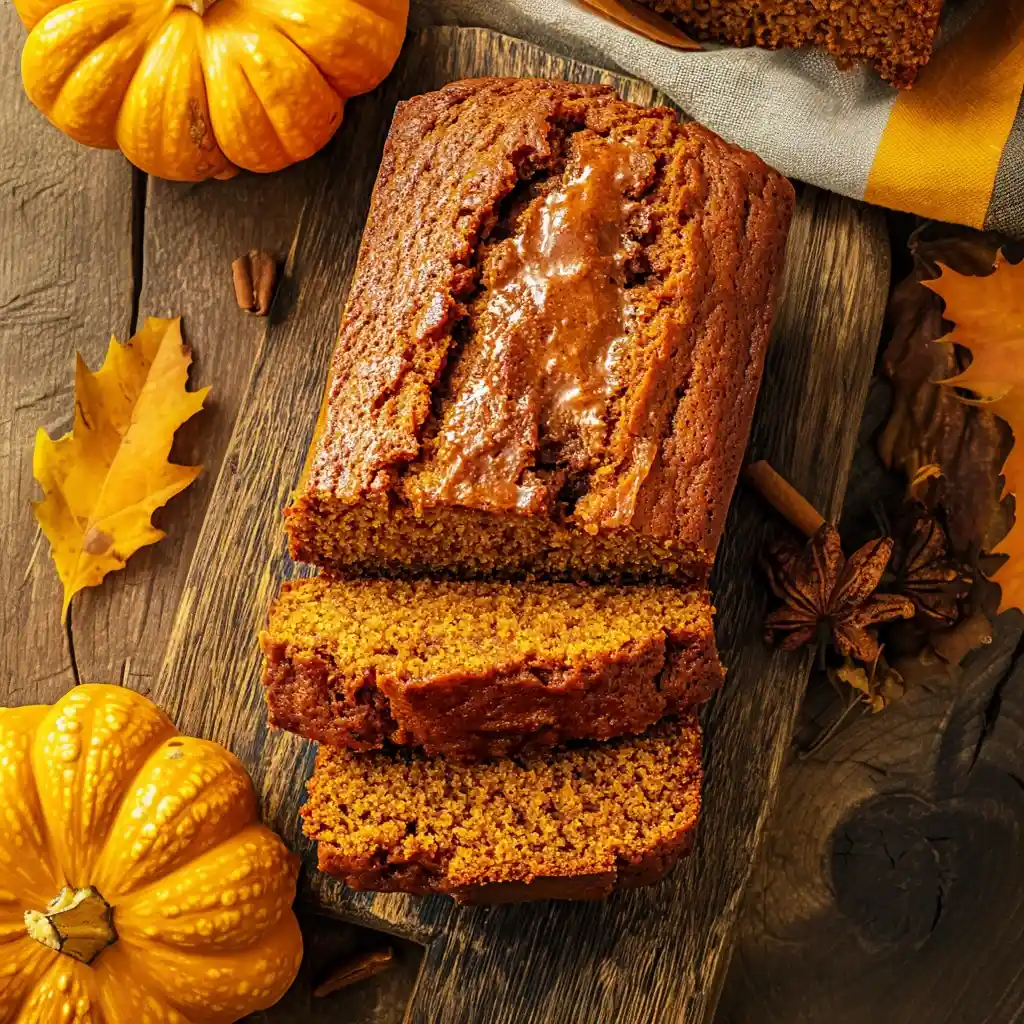
Here’s the short list with why it matters:
- Pumpkin puree — adds moisture, color, and pumpkin flavor without extra liquid.
- Yogurt or sour cream — dips the bake time and keeps the crumb tender soft.
- Brown sugar — locks in moisture and adds a subtle molasses note.
- Oil or melted butter — moisture carrier; oil stays softer longer, butter adds depth.
- Eggs — bind and enrich the crumb.
- Flour blend — all-purpose works, but a touch of whole wheat or almond flour can add character if you like.
Moisture hacks you can trust
If you’ve ever sliced into a dry disaster, these tips will save your bake.
Don’t overfill the pan
Filling the loaf pan 2/3 full gives room for rise and prevents a dome that hides a dry center. No one wants a loaf that’s cooked on the outside but pale inside.
Measure your pumpkin puree well
Too much puree + too little dry stuff = soggy center. Use about 1 3/4 cups of puree for a standard loaf recipe, and balance with eggs, oil, and dry ingredients.
Watch the bake time
Ovens vary. Start checking at around 50 minutes, and test with a toothpick—aim for a few crumbs clinging to it. If it comes out clean, it’s done; if it’s wet, give it five more minutes and test again. Don’t go by color alone.
Step-by-step: the straightforward method
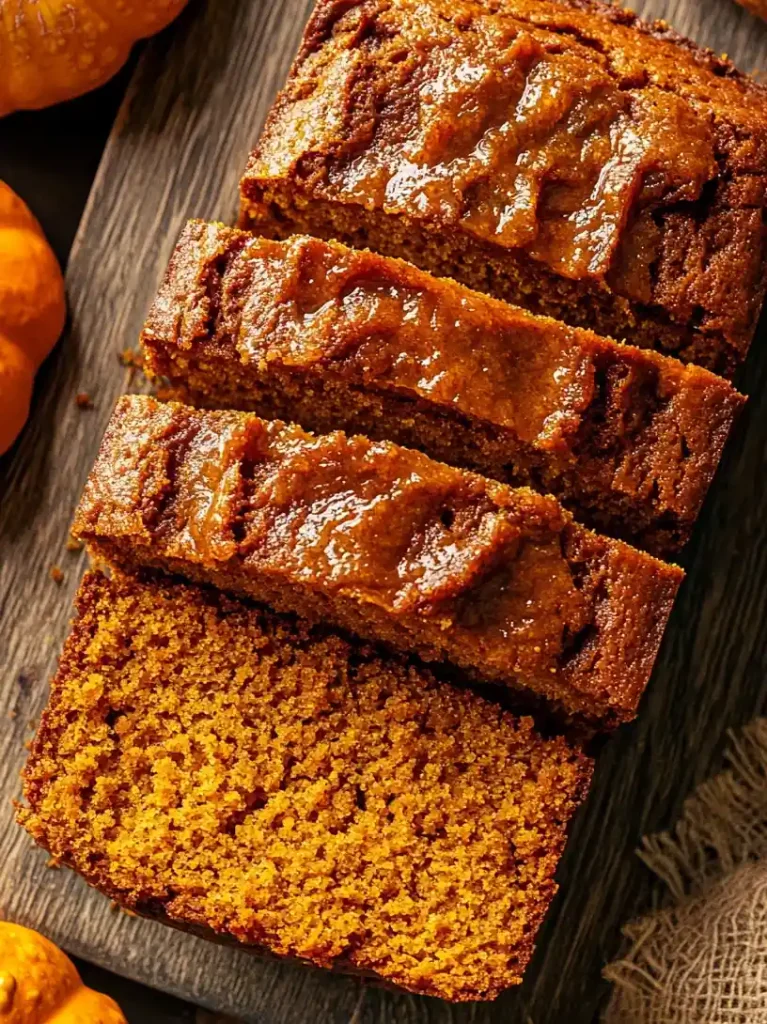
Here’s a friendly, no-drama plan you can follow tonight.
- Preheat to 350°F (175°C). Grease a 9×5 inch loaf pan and line if you’re feeling extra prepared.
- Whisk dry ingredients: flour, baking powder, baking soda, salt, and a pinch of cinnamon or nutmeg for warmth.
- Mix wet ingredients: pumpkin puree, yogurt or sour cream, oil or melted butter, eggs, and brown sugar until smooth.
- Combine gently: fold the wet into the dry just until you see no big streaks of flour. A few lumps are totally fine.
- Pour into the pan and bake. A crust will form on top, and the middle should spring back when lightly pressed.
- Cool in the pan for 10 minutes, then transfer to a rack. Resist slicing into it for at least 20 minutes; moisture loves a good rest.
Make it extra cozy: add-ins
– Chopped walnuts or pecans for crunch and nutty flavor.
– Chocolate chips for a sweet-surfboard twist (you’re welcome).
– Dried cranberries or raisins for a fruity pop.
– Spices like cinnamon, allspice, or ginger to punch up the autumn vibes. Add a pinch more salt if you tweak the spices.
Texture talk: crumb that’s just right
A moist crumb isn’t mushy or gummy. It’s tender, with a tiny-fine crumb and a slight toothiness. To get that, you want a batter that’s barely mixed and a bake that finishes with a tiny bit of moisture remaining in the center. Think “soft, not wet.” If you’re a texture nerd, consider replacing up to 1/4 cup of all-purpose flour with whole wheat for a bit more structure without sacrificing moisture.
Crumb vs. crust: how to balance
If your crust gets too thick, it’s often because of too much sugar on top or a hot oven. A modest sprinkle of sugar just before baking can caramelize nicely, but keep an eye on it. If the top browns too fast, tent with foil for the last 10 minutes.
Storage and keeping it moist
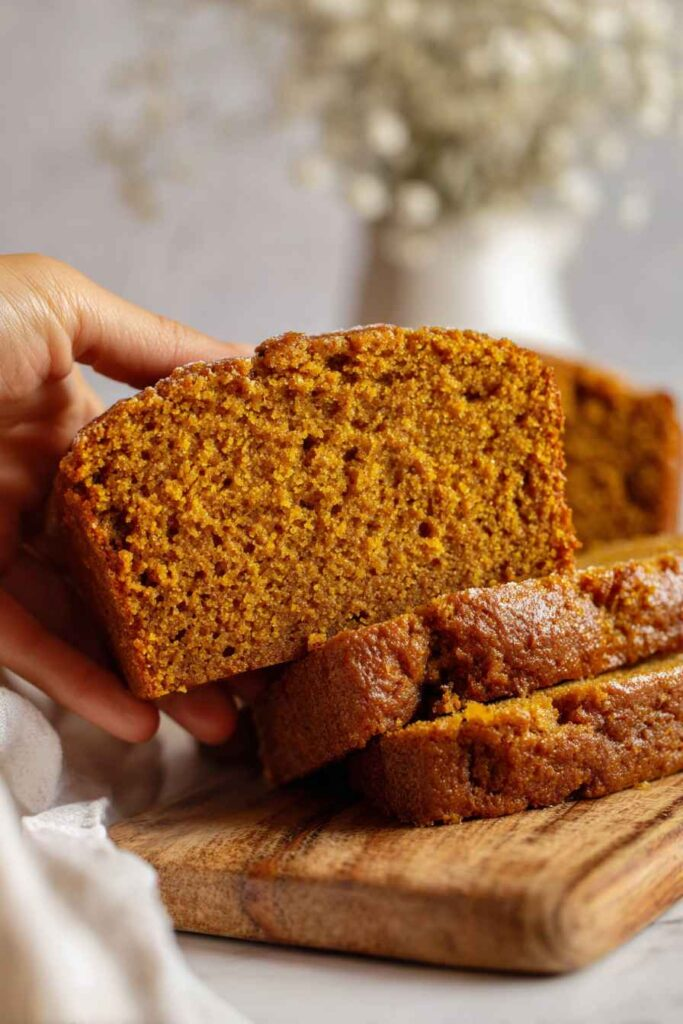
Leftovers are a miracle if you store them properly.
- Cool completely, then wrap tightly in plastic or put in an airtight container.
- Store at room temperature for 2-3 days, or refrigerate up to a week. FYI, refrigeration can dry bread out a touch, so if you’ll eat it within 2 days, room temp is fine.
- To freeze, wrap in plastic, then foil, and keep for up to 3 months. Thaw at room temp and re-crisp in a 300°F (150°C) oven for 5-8 minutes.
Flavor boosters: pro tips from the kitchen
A few tiny tweaks go a long way.
Accent with citrus
Add a teaspoon of orange zest to brighten the pumpkin flavor. It’s like a sunny day in your loaf.
Make it dairy-free without losing moisture
Use full-fat coconut yogurt or a dairy-free yogurt alternative and a neutral oil. You’ll still get the tenderness without dairy.
FYI on pan choice
A regular loaf pan is reliable, but if you want a taller loaf with more moist crumb, try a mini-loaf pan. It bakes a little faster and makes perfect gift-sized loaves.
Common mistakes to avoid (so you don’t cry into your mixing bowl)
– Overmixing: it develops gluten and makes the crumb tougher. Stir just until combined.
– Too much liquid: keep pumpkin puree amounts in check and balance with dry ingredients.
– Underbaking: the center should spring back but still feel slightly moist. Dry loaves are sad.
– Skipping the rest: letting the loaf rest after baking locks in moisture and makes slicing cleaner.
Frequently Asked Questions
Find answers to common questions
Pumpkin Bread Moist Recipe: Cozy, Rich & Tender Bites
Ingredients
Here’s the short list with why it matters:
- Pumpkin puree — adds moisture, color, and pumpkin flavor without extra liquid.
- Yogurt or sour cream — dips the bake time and keeps the crumb tender soft.
- Brown sugar — locks in moisture and adds a subtle molasses note.
- Oil or melted butter — moisture carrier; oil stays softer longer, butter adds depth.
- Eggs — bind and enrich the crumb.
- Flour blend — all-purpose works, but a touch of whole wheat or almond flour can add character if you like.
Instructions
Here’s a friendly, no-drama plan you can follow tonight.
- Preheat to 350°F (175°C). Grease a 9×5 inch loaf pan and line if you’re feeling extra prepared.
- Whisk dry ingredients: flour, baking powder, baking soda, salt, and a pinch of cinnamon or nutmeg for warmth.
- Mix wet ingredients: pumpkin puree, yogurt or sour cream, oil or melted butter, eggs, and brown sugar until smooth.
- Combine gently: fold the wet into the dry just until you see no big streaks of flour. A few lumps are totally fine.
- Pour into the pan and bake. A crust will form on top, and the middle should spring back when lightly pressed.
- Cool in the pan for 10 minutes, then transfer to a rack. Resist slicing into it for at least 20 minutes; moisture loves a good rest.
Make it extra cozy: add-ins
– Chopped walnuts or pecans for crunch and nutty flavor.
– Chocolate chips for a sweet-surfboard twist (you’re welcome).
– Dried cranberries or raisins for a fruity pop.
– Spices like cinnamon, allspice, or ginger to punch up the autumn vibes. Add a pinch more salt if you tweak the spices.
Recipe from
Conclusion
Pumpkin bread that stays moist is totally doable with a few simple tricks and a dash of patience. Embrace the moisture-boosting partners—pumpkin puree, yogurt, and a gentle hand with the mixing—and you’ll end up with a loaf that smells like fall and tastes like comfort. So bake, slice, and share with friends who cheer when the kitchen smells like a bakery and a pumpkin patch had a delicious baby. If you try it, drop a comment with your add-ins and any tweaks you loved. IMO, this loaf is a keeper for chilly evenings, sunny Sundays, and everything in between.
Want a printable PDF version?