
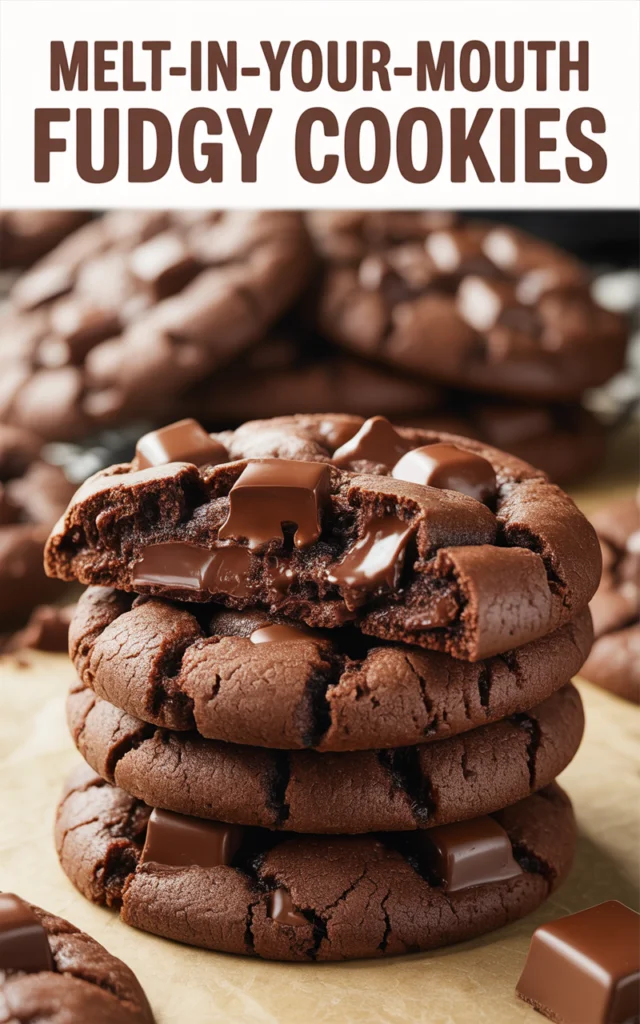
I’m not saying you’re allergic to joy, but soft chocolate cookies might just be the closest you’ll get. They’re chewy, fudgy, and somehow forgiving to a chaotic kitchen. Grab a glass of milk and let’s dive in.
The Magic of a Soft Chocolate Cookie
What makes a cookie soft instead of a rock? It’s all about balance: fats, moisture, and a touch of patience. Too much flour? You get a brick. Too little? It runs faster than you can say “where did my cookie go?” The goal is a cookie that stays cuddly in the middle, with a thin, glossy crack on top. FYI, perfection might be a myth, but soft chocolate cookies come pretty close.
Key Ingredients That Make or Break It
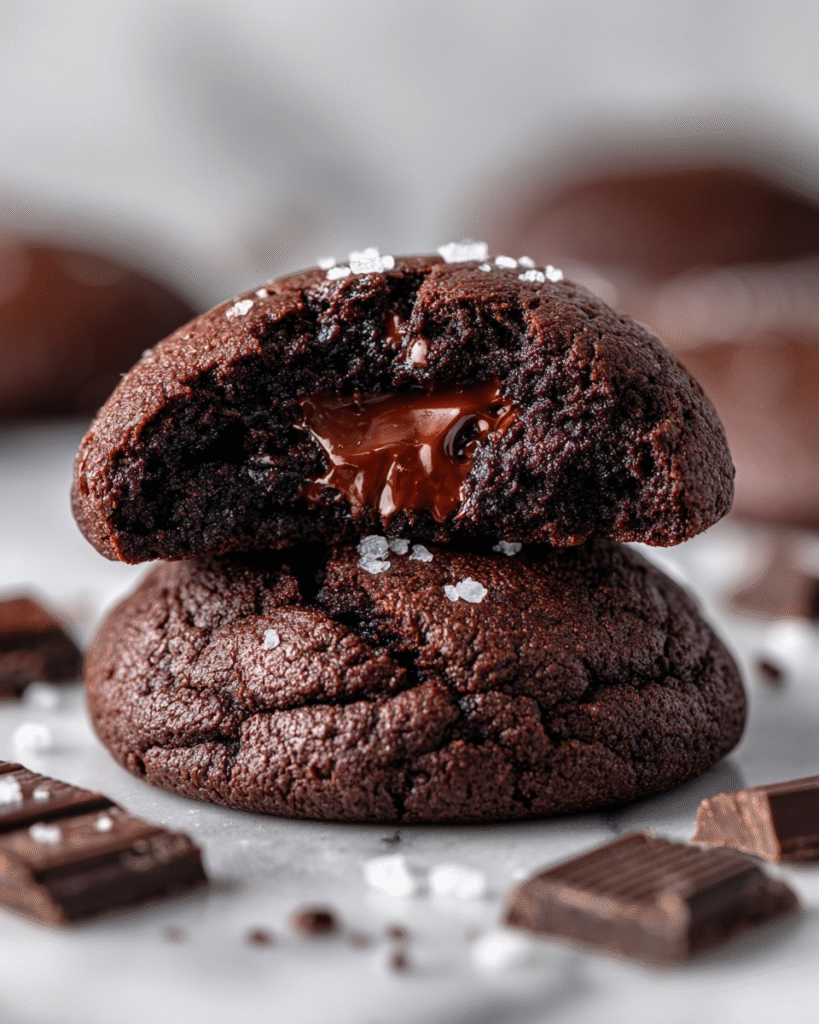
Here’s the short list of love and science you’ll actually care about:
- Brown sugar keeps moisture and adds depth. White sugar is fine, but brown sugar makes it chewy.
- Butter provides fat and flavor. Use unsalted so you control the salt level.
- Cocoa powder brings chocolate darkness. Dutch-processed gives a smoother finish; natural cocoa can brighten things up.
- Eggs add structure and moisture. One egg plus a yolk? Hello extra fudgy center.
- Flour should be just enough to hold shape. A touch under-measured keeps them tender.
- Chips or chunks for texture. Dark chocolate, semisweet, or a mix—your call.
Optional add-ins worth flirting with
- Sea salt flakes for a contrasting snap.
- Milk or espresso powder for extra depth (don’t overdo it).
- Chopped nuts or dried cherries if you’re feeling fancy.
Tips for Achieving That Perfect Chew
If you’re chasing the ideal soft center, here are my go-to moves:
- Chill the dough for at least 30 minutes. It sounds mean, but it helps the cookies hold their shape and prevents spreading too thin.
- Use parchment paper or a silicone mat. No sticky disasters, please.
- Bake just until the edges are set but the centers look a touch underdone. They’ll finish cooking on the tray as they cool.
- Let them rest on the sheet for a couple of minutes before moving them to a rack. Steam = soft center.
Common mistakes to avoid
- Over-baking is the enemy. It’s a chewy cookie, not a brick factory.
- Too much flour = dryness. Measure by spoon-and-sweep or use a scale for accuracy.
- Skipping chilling. If you’re in a rush, you can chill for 15 minutes and still get decent results.
Texture Talk: Chewy, Fudgy, or Both?
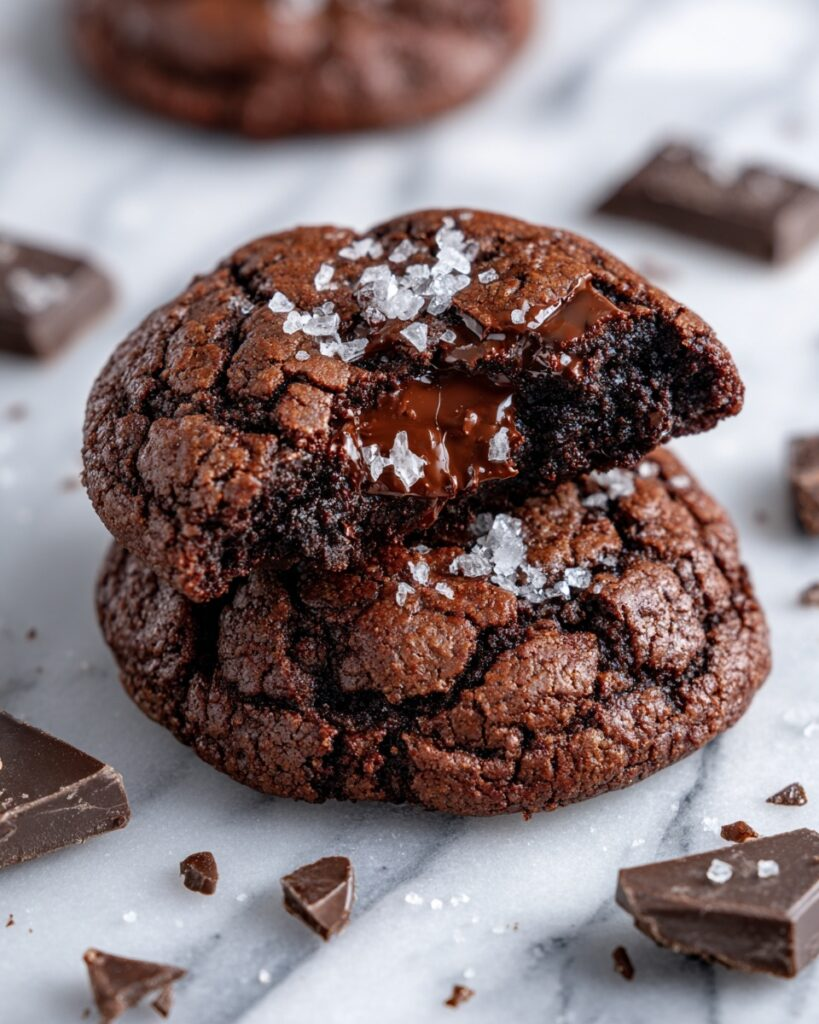
Want a chewy heart with a fudgy core? You can dial it in. Fudginess comes from more fat relative to flour and a touch of extra egg yolk. Chewiness comes from moisture retention and the right sugar ratio. Combine them, and you get soft cookies that feel like a warm hug. IMO, the best of both worlds means a slightly underbaked center with a glossy top.
Adjusting for your vibe
- To lean fudgy: add another yolk and a touch more fat.
- To emphasize chewiness: opt for more brown sugar and a pinch more flour.
Classic Recipe That Delivers Every Time
Here’s a simple, reliable approach you can actually memorize.
- 1 cup (226 g) granulated sugar
- 1 cup (200 g) packed light brown sugar
- 1 cup (225 g) unsalted butter, melted and cooled slightly
- 2 large eggs plus 1 egg yolk
- 2 tsp vanilla extract
- 1 1/2 cups (180 g) all-purpose flour
- 3/4 cup (75 g) cocoa powder
- 1 tsp baking soda
- 1/2 tsp salt
- 2 cups (340 g) chocolate chips or chunks
Step-by-step:
– Mix sugars with melted butter until glossy.
– Beat in eggs and yolk, then vanilla. Don’t overmix—stop when it looks glossy.
– Whisk dry ingredients, then fold into wet until just combined.
– Stir in chocolate chunks. Chill 30-60 minutes.
– Scoop onto lined sheet, bake at 350°F (175°C) for 9-11 minutes.
– Let rest a few minutes, then transfer to rack.
If you want a twist, swap some of the butter for melted dark chocolate. FYI, you’ll get a richer, more intense cookie.
Creative Variations to Try
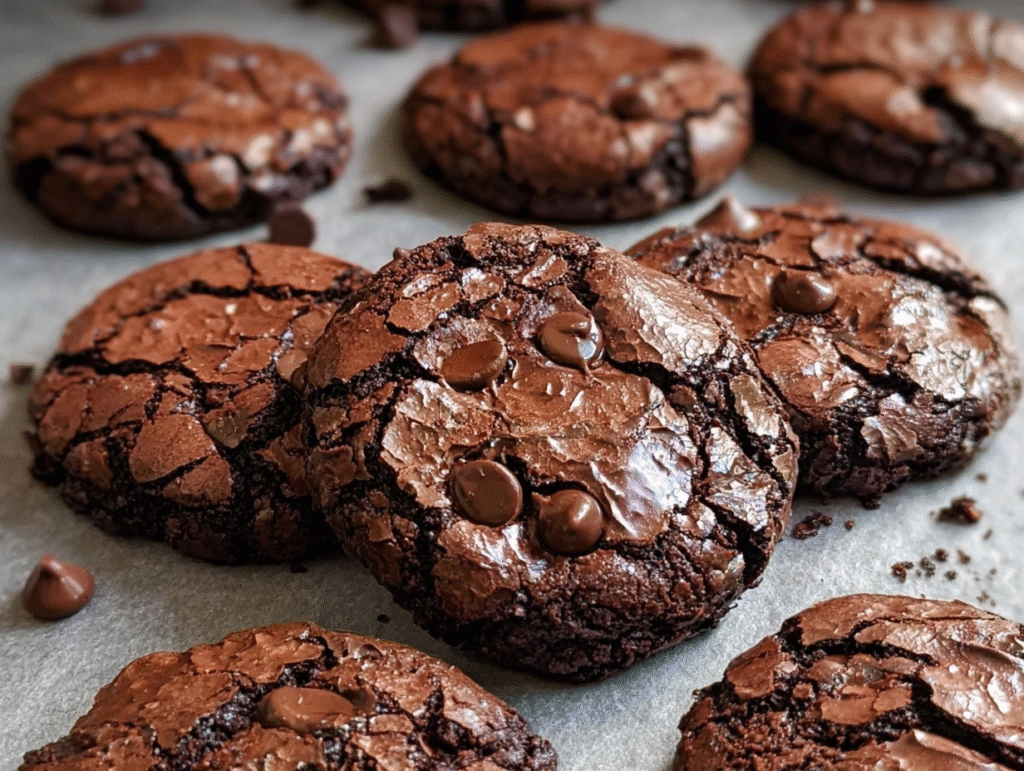
A little creativity goes a long way.
Salted Caramel Swirl
Swirl in ribbons of caramel before baking and sprinkle with flaky salt after they come out. The salt + sweet combo is chef’s kiss.
Espresso-Infused
Add 1-2 teaspoons of espresso powder to the dry mix. It’s like a café date in cookie form.
Trail Mix Vibes
Chop almonds, pistachios, and a handful of dried cranberries. The texture game goes from nice to wow.
Storage and Freshness Hacks
Soft cookies aren’t meant to live in a coffin. They should stay tender and approachable.
- Store in an airtight container at room temperature for up to 3-4 days.
- Freeze dough balls for future greatness. Bake straight from the freezer, adding a minute or two.
- Reheat in a minute or two in the microwave, or warm in the oven for a ceremonial cookie moment.
Frequently Asked Questions
Find answers to common questions
Soft Chocolate Cookies: Chewy, Fudgy Magic in Minutes
Ingredients
Here’s the short list of love and science you’ll actually care about:
- Brown sugar keeps moisture and adds depth. White sugar is fine, but brown sugar makes it chewy.
- Butter provides fat and flavor. Use unsalted so you control the salt level.
- Cocoa powder brings chocolate darkness. Dutch-processed gives a smoother finish; natural cocoa can brighten things up.
- Eggs add structure and moisture. One egg plus a yolk? Hello extra fudgy center.
- Flour should be just enough to hold shape. A touch under-measured keeps them tender.
- Chips or chunks for texture. Dark chocolate, semisweet, or a mix—your call.
Optional add-ins worth flirting with
- Sea salt flakes for a contrasting snap.
- Milk or espresso powder for extra depth (don’t overdo it).
- Chopped nuts or dried cherries if you’re feeling fancy.
Instructions
- Chill the dough for at least 30 minutes. It sounds mean, but it helps the cookies hold their shape and prevents spreading too thin.
- Use parchment paper or a silicone mat. No sticky disasters, please.
- Bake just until the edges are set but the centers look a touch underdone. They’ll finish cooking on the tray as they cool.
- Let them rest on the sheet for a couple of minutes before moving them to a rack. Steam = soft center.
Recipe from
Conclusion
Soft chocolate cookies aren’t a fancy pastry trick—they’re cozy, reliable, and a little bit rebellious in the best way. With the right balance of sugar, fat, and cocoa, you get that center that stays warm and chewy long after you’ve taken a bite. IMO, the real secret is patience: chilling, resting, and not over-baking. FYI, a batch shared with friends disappears faster than you can say “another round?” So go ahead and bake, then celebrate with a tall glass of milk and a grin.
Want a printable PDF version?